The Medicinal Plants You Need in Your Backyard
4/20/20264 min read


The Wonders of Echinacea: Nature's Immune Booster
Echinacea, often referred to as the purple coneflower, is a remarkable medicinal plant known primarily for its immune-boosting properties. This perennial herb, native to North America, has been utilized for centuries by Indigenous peoples for its profound healing effects. Modern studies confirm its efficacy in stimulating the immune system, making it a staple in herbal medicine.
Growing Echinacea in your backyard is a rewarding endeavor. The plant thrives in well-drained soil with ample sunlight, requiring little maintenance. It is best to plant Echinacea in the spring or early fall, allowing it to establish roots before harsher weather. Over time, Echinacea plants can grow up to four feet tall and develop vibrant blooms that not only attract pollinators but also serve pharmaceutical purposes.
Harvesting Echinacea at the optimal time can significantly enhance its potency. The flowers and leaves can be harvested just before they fully bloom, while the roots are usually harvested in the fall of the second year. Proper drying and storage of the herb are crucial to maintaining its medicinal properties, allowing you to create potent herbal teas or tinctures.
The historical significance of Echinacea in native medicine cannot be overstated. Often used to treat infections and wounds, its versatility has seen it evolve into a popular remedy for colds, flu, and respiratory diseases in contemporary herbal practices. Simple recipes include brewing dried Echinacea flowers into tea, which can be sweetened with honey or blended with lemon for added flavor and health benefits.
In conclusion, integrating Echinacea into your backyard not only enhances your garden’s biodiversity but also provides a potent natural remedy to bolster your immune health.
Chamomile: The Calming Herb for Your Garden
Chamomile, a beloved herb known for its calming properties, is an excellent addition to any backyard garden. Originating from the family of daisy-like flowers, this herb has been used for centuries in traditional medicine, particularly for its soothing effects on anxiety, sleep disorders, and digestive issues. The active compounds, such as apigenin found in chamomile, promote relaxation and improve overall mental well-being, making it an ideal herbal ally in today's fast-paced world.
Growing chamomile in your backyard requires a few considerations, predominantly around sunlight and watering needs. Chamomile thrives in areas that receive full sun, meaning it should ideally be placed where it can soak up at least six hours of sunlight each day. It prefers well-drained soil with a neutral pH, ensuring that excess moisture does not lead to root rot. Watering chamomile moderately is key; allowing the soil to dry between watering helps prevent over-saturation, which can damage the plant. In general, chamomile is a resilient herb that can withstand a variety of temperatures, making it suitable for most climates.
Once your chamomile plants flourish, you can delight in various ways to prepare chamomile tea, known for its floral aroma and tranquil effects. To create a soothing cup of tea, gather the flower heads and steep them in hot water for around five to ten minutes, allowing the essence of the herb to infuse thoroughly. Beyond tea, chamomile can enrich your relaxation rituals when added to baths, offering a fragrant experience that calms the body and mind. By cultivating chamomile, you not only benefit from its health-promoting properties but also enhance the serenity of your backyard garden.
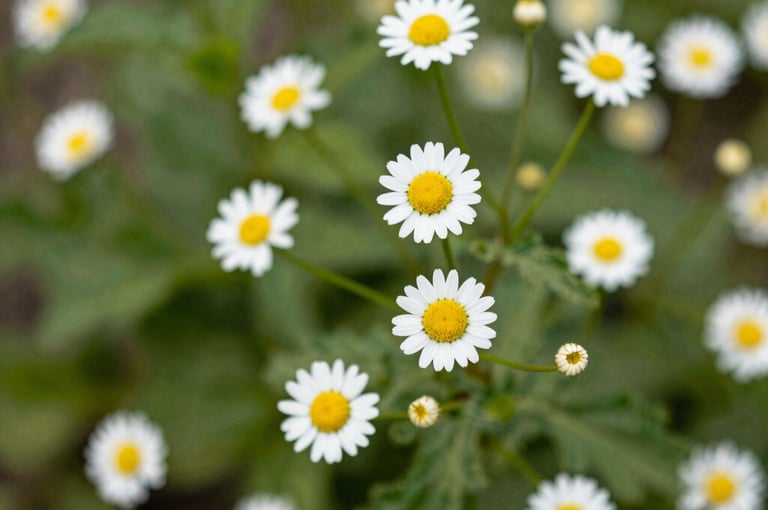
Feverfew: A Natural Approach to Migraines
Feverfew, scientifically known as Tanacetum parthenium, has been utilized for centuries as a natural remedy for alleviating migraine headaches. Historically, this perennial herb was employed by ancient Greeks and Romans, who recognized its potential to reduce the frequency and intensity of migraine episodes. The flowers and leaves of feverfew contain active compounds such as parthenolide, which are thought to offer therapeutic benefits, particularly in relation to headaches.
Growing feverfew in your backyard is relatively simple. This hardy plant thrives in well-drained soil and prefers full sun exposure. Start by sowing seeds in spring or autumn, and make sure to space the plants about 12-18 inches apart to allow for their natural growth. Regular watering, especially during dry spells, will keep the plants healthy. Once the plants are established, they typically require minimal maintenance.
For those looking to use feverfew for migraine relief, dosage recommendations typically range from 50-150mg of dried leaf taken daily, although individual needs may vary. Preparation methods often include creating herbal teas or tinctures. To make a tea, steep 1-2 teaspoons of dried feverfew leaves in hot water for 10-15 minutes. Tinctures can be created by steeping feverfew leaves in alcohol for several weeks, allowing the extraction of beneficial compounds. It is essential to consult with a healthcare provider before beginning any new supplement regimen, especially for individuals taking blood thinners or other medications.
Clinical studies have demonstrated feverfew's effectiveness in reducing migraine frequency and severity. For instance, a controlled trial revealed that participants using feverfew experienced fewer migraines compared to a control group. Testimonials from users also highlight significant improvements in their quality of life, reinforcing feverfew's reputation as a potent natural remedy.
Starting a medicinal garden begins with selecting a suitable location and ensuring ample sunlight and good drainage. The importance of quality seeds cannot be overstated; healthy, organic seeds ensure robust plants that yield potent medicinal properties. To simplify your gardening journey, our medicinal garden kit offers a curated selection of seeds, tools, and guidance for a thriving garden. Get more information here.
Brand
Discover how to transform your backyard into a living pharmacy. Our site provides step-by-step guides for growing essential healing plants—from the anti-inflammatory power of Calendula and Yarrow to immune-boosting Echinacea. Learn to cultivate, harvest, and prepare your own natural remedies for common ailments like stress, digestion, and seasonal colds.
Contact
Newsletter
© 2024. All rights reserved.