Beginner’s Essential Guide to Planting a Medicinal Herb Garden
4/18/20265 min read


Understanding Sunlight: The Lifeblood of Your Garden
Sunlight plays an essential role in the successful cultivation of medicinal herbs. As the primary source of energy for plants, sunlight supports the process of photosynthesis, which is vital for growth, development, and the production of active compounds that confer medicinal properties. Different herbs exhibit varying light requirements, making it critical for gardeners to understand how much sun their chosen plants need to thrive.
Generally, many medicinal herbs prefer full sun, which means they need at least six to eight hours of direct sunlight each day. For instance, herbs such as basil, rosemary, and thyme flourish in these sunny conditions, resulting in higher essential oil concentration and thus potency. Conversely, some herbs, like mint and chamomile, can tolerate partial shade, thriving with about four to six hours of sunlight. Knowing these needs can significantly influence the quality and effectiveness of the herbs grown in your garden.
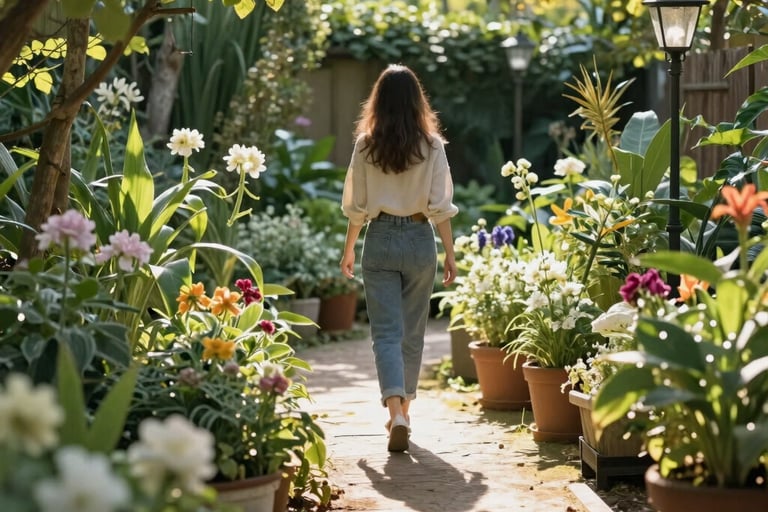
When positioning your medicinal herb garden, consider the layout of your yard or balcony. You should select a location that receives adequate sunlight throughout the day while also ensuring that taller plants do not overshadow shorter ones. Observe the sunlight patterns at different times of the day. A common technique is to track sun exposure by marking areas where sunlight falls, allowing you to identify the optimal planting spots.
Furthermore, the intensity and duration of sunlight can affect not only growth rates but also the flavor and medicinal efficacy of your plants. Insufficient sunlight may lead to weak, leggy plants with lower concentrations of beneficial compounds. Therefore, understanding and harnessing the power of sunlight is paramount for cultivating a robust medicinal herb garden that meets your health needs.
Soil Preparation: The Foundation of Healthy Herbs
Soil quality plays a critical role in the overall health and productivity of a medicinal herb garden. Healthy soil not only supports plant growth but also enhances the medicinal properties of herbs. Therefore, understanding how to assess and improve soil health is essential for any aspiring herbalist.
One of the first steps in preparing soil for your medicinal herbs is testing its pH levels. Most herbs thrive in a slightly acidic to neutral pH range of about 6.0 to 7.0. Soil testing kits, available at gardening stores or online, provide you with valuable insights on your soil’s acidity levels. Adjustments can be made by incorporating lime to raise the pH or sulfur to lower it, ensuring an optimal environment for herbal growth.
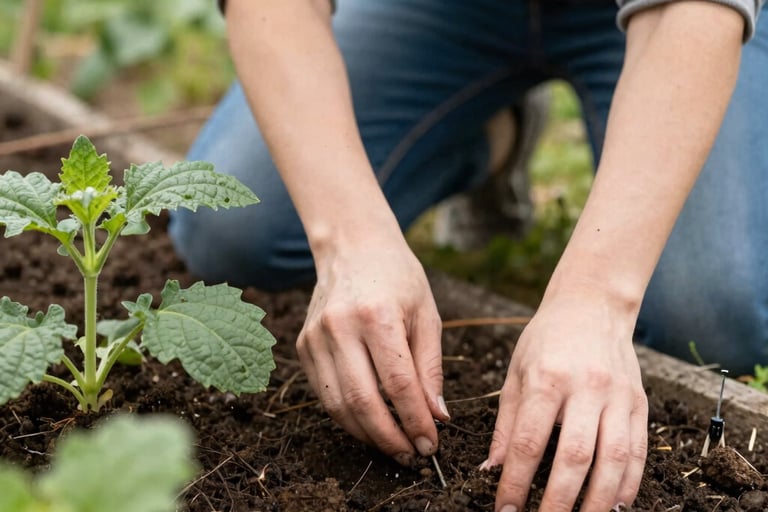
In addition to pH levels, enhancing soil with organic matter can significantly improve its texture and fertility. Organic matter, such as compost or well-rotted manure, contributes essential nutrients while promoting microbial activity vital for nutrient uptake. Mixing organic material into the top few inches of soil creates a rich, loamy environment that supports robust plant growth.
Proper drainage is another crucial element in soil preparation. Herbs generally prefer well-draining soil to prevent root rot, which can be detrimental to their health. To enhance drainage, consider incorporating sand or perlite into heavy or clayey soils. Additionally, raised beds can be employed to ensure good drainage, particularly in regions prone to excessive rainfall.
Ultimately, creating a nutrient-rich and well-draining soil environment will lead to healthier herb plants, maximizing their potential and the medicinal benefits they offer. Taking the time to prepare your soil properly is an investment that yields rewarding results in your medicinal herb garden.
The Top 5 ‘Unkillable’ Medicinal Herbs for Beginners
Starting a medicinal herb garden can be a rewarding venture, especially when selecting plants that are resilient and easy to grow. Here are five medicinal herbs that are perfect for novice gardeners and offer a range of health benefits.
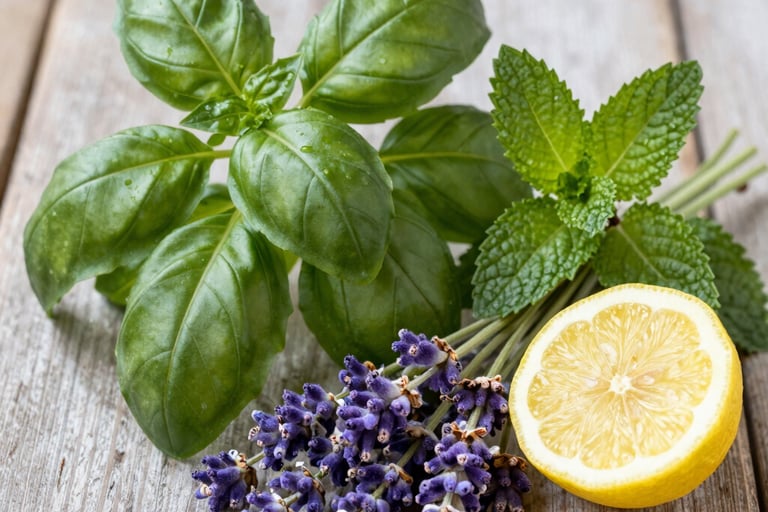
1. Basil: Often referred to as the "king of herbs," basil (Ocimum basilicum) is not only a culinary favorite but also boasts medicinal properties. It is known for its anti-inflammatory and antioxidant effects. Basil thrives in warm conditions with plenty of sunlight and well-draining soil. This herb can be used in teas or tinctures to alleviate digestive issues.
2. Peppermint: Peppermint (Mentha × piperita) is a hardy plant known for its soothing properties. It can be grown in pots or directly in the garden, making it very versatile. Preferring partial shade, peppermint is often used in herbal teas to relieve headaches and digestive discomfort.
3. Lavender: Known for its calming fragrance, lavender (Lavandula angustifolia) is another excellent choice for beginners. It prefers sunny locations and well-drained soil, in addition to attracting pollinators. Lavender has a variety of uses, including essential oils for stress relief and promoting restful sleep.
4. Lemon Balm: This herb (Melissa officinalis) is incredibly resilient and can thrive in various environments. With its pleasant lemon scent, lemon balm is known for its calming properties and is often used to ease anxiety and promote relaxation. It grows best in well-drained soil and can tolerate partial shade.
5. Yarrow: Yarrow (Achillea millefolium) is a perennial herb that is both easy to grow and highly beneficial. It can flourish in diverse soil conditions and is drought-resistant, making it an ideal selection for a medicinal herb garden. Yarrow is known for its wound-healing properties and is traditionally used to help with inflammation and fevers.
By incorporating these five unkillable medicinal herbs into your garden, you can easily enhance your health and wellness. Each of these plants offers unique advantages, making them valuable additions for any beginner gardener.
Tips for Sustaining Growth and Harvesting
Establishing a medicinal herb garden requires ongoing care and attention to ensure healthy plants and abundant harvests. One of the primary aspects to consider is the watering schedule. Most herbs thrive with consistent moisture, but overwatering can hinder their growth. It is recommended to water your garden in the morning, allowing moisture to penetrate the soil before the heat of the day. Check the soil regularly; when the top inch feels dry, it's time for a drink. By focusing on the specific needs of each plant, you can foster resilience and vitality.
Pest management is another essential area of concern for herb gardens. Natural solutions such as introducing beneficial insects like ladybugs and planting companion herbs can deter unwanted pests. For instance, planting marigolds alongside your herbs can repel aphids and other harmful insects. Maintaining a clean gardening environment, including removing dead foliage and debris, will reduce the likelihood of infestations.
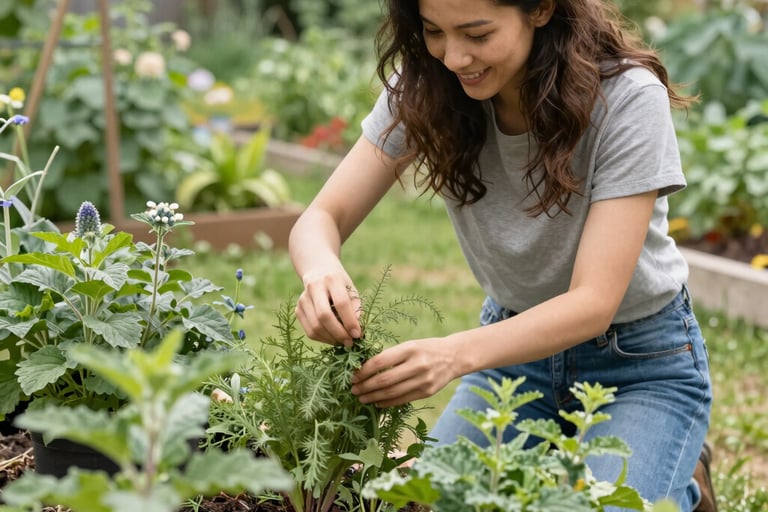
Harvesting your herbs at the right time is crucial for maximizing their potency and flavor. Generally, the best time to harvest is in the morning, right after the dew has dried. This timing ensures that the essential oils in the leaves are at their peaks. Use sharp scissors or pruning shears to cut the stems just above a set of leaves, promoting further growth. Avoid plucking an entire plant; instead, take a few stems from each plant to encourage continuous growth.
Integrating harvested herbs into daily routines enhances personal health and wellness. These herbs can be easily transformed into teas, tinctures, or culinary ingredients. Experimenting with different preparations allows individuals to discover which types work best for their lifestyles. The joy of cultivating a medicinal herb garden lies not just in the act of gardening, but in the benefits reaped from using these plants in everyday life.
Ready to harvest your own health?
See our Essential Seed Bundle and Medicinal Guide today. From soil to spirit, we provide everything you need to grow, craft, and enjoy your own home apothecary. Find out more here
Brand
Discover how to transform your backyard into a living pharmacy. Our site provides step-by-step guides for growing essential healing plants—from the anti-inflammatory power of Calendula and Yarrow to immune-boosting Echinacea. Learn to cultivate, harvest, and prepare your own natural remedies for common ailments like stress, digestion, and seasonal colds.
Contact
Newsletter
© 2024. All rights reserved.